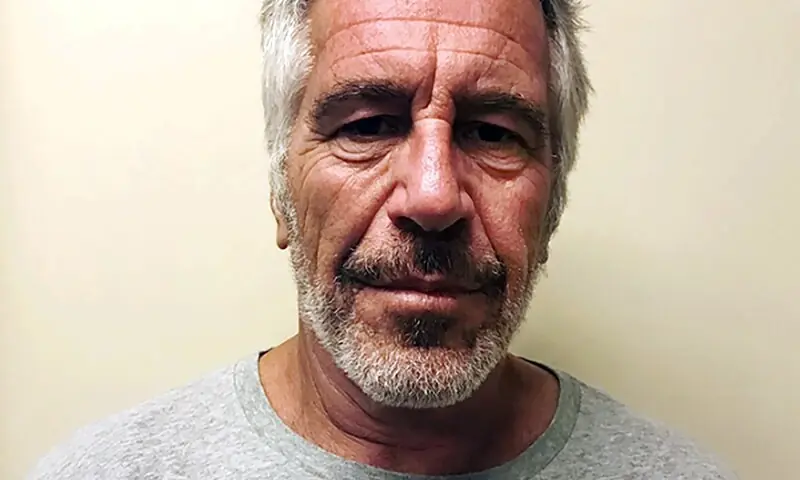
One man’s death in a Manhattan jail cell triggered seven years of lawsuits, congressional subpoenas, and millions of leaked pages. Jeffrey Epstein died on August 10, 2019. Yet the story never really ended. New document dumps still made headlines as recently as this spring. This article walks through what’s confirmed, what’s disputed, and what the latest releases actually show.
Who Was Jeffrey Epstein?
Jeffrey Epstein built his fortune as a financier with ties to Wall Street and a long list of wealthy, powerful acquaintances. He pleaded guilty to state prostitution charges in Florida back in 2008. That deal let him avoid serious federal time. Survivors and prosecutors later called it one of the most controversial plea agreements in American legal history.
In July 2019, federal prosecutors in New York arrested him again. This time the charges were sex trafficking of minors and conspiracy. He pleaded not guilty. He never stood trial.
How Did Jeffrey Epstein Die?
The Official Timeline
Epstein was held at the Metropolitan Correctional Center in lower Manhattan. He was found unresponsive in his cell on the morning of August 10, 2019. Staff pronounced him dead shortly after.
Two guards assigned to monitor him had reportedly failed to conduct required checks that night. Cameras outside his cell malfunctioned, according to early Bureau of Prisons statements. The failures triggered an immediate internal investigation and a wave of public anger.
The Medical Examiner’s Ruling
New York’s Chief Medical Examiner ruled the death a suicide by hanging. An independent pathologist hired by Epstein’s brother disputed parts of that conclusion, pointing to specific neck fractures. The official ruling, however, has never been overturned by any government body.
Why So Many People Question the Official Story
Skepticism didn’t fade with time. It grew. A few factors kept doubt alive:
- Camera failures outside his cell went unexplained for years.
- Guard misconduct the two officers later admitted to falsifying records, not to causing his death.
- High-profile associates feared exposure, fueling speculation about motive.
- Inconsistent paperwork at the jail raised chain-of-custody questions.
- Delayed federal reviews left gaps that conspiracy theories filled quickly.
None of these points proves foul play. But together, they explain why Jeffrey Epstein’s death remains one of the most argued-about events in recent legal history.
Jeffrey Epstein Death: Key Facts at a Glance
| Detail | Official Record |
|---|---|
| Date of death | August 10, 2019 |
| Location | Metropolitan Correctional Center, NYC |
| Official cause | Suicide by hanging |
| Charges at time of death | Sex trafficking, conspiracy |
| Guards on duty | Failed required cell checks |
| DOJ files released (2025-2026) | Roughly 3 million pages, 2,000 videos, 180,000 images |
| Legal status | Case dismissed upon death |
What Happened After Jeffrey Epstein’s Death
The Ghislaine Maxwell Trial
His longtime associate, Ghislaine Maxwell, was tried separately and convicted in 2021 on sex trafficking charges. Her case became the closest thing to courtroom accountability the public ever got, since Epstein himself never faced a jury.
The Epstein Files Release (2025-2026)
This is where the story picks back up in a major way. Congress passed a law requiring the Justice Department to release all of its Epstein files, with near-unanimous support. The Department began rolling out documents in waves. CNN
The Justice Department began releasing more than 3 million pages of documents, 2,000 videos, and 180,000 images starting in late January 2026. A December 2025 release included previously unseen photographs and drew criticism from lawmakers and survivors for heavy redactions. KSATBritannica
The rollout has not been smooth. Despite a December 2025 deadline, the Justice Department didn’t release its next major batch until January 30, 2026. Attorneys representing survivors say the Justice Department failed to properly redact the identities of at least 31 people who were victimized as children, a serious privacy failure that’s still being addressed. Encyclopedia BritannicaCBS News
The fallout has touched political and cultural figures far beyond Epstein himself. Commerce Secretary Howard Lutnick agreed to testify before the House Oversight Committee about his relationship with Epstein, and Bill Gates later told the committee he made a grave error in judgment by meeting with Epstein. Attorney General Pam Bondi was subpoenaed over the Justice Department’s handling of the document release and was later removed from her post in April 2026. Encyclopedia BritannicaEncyclopedia Britannica
5 Things the Epstein Files Have Confirmed So Far
- Epstein maintained contact with numerous high-profile individuals right up to his 2019 arrest.
- Internal FBI documents mapped victim networks and abuse timelines in granular detail.
- Several foreign political figures have faced resignation pressure tied to Epstein associations.
- Redaction failures have created new legal exposure for the DOJ itself.
- Public trust in the release process remains low, fueling fresh speculation rather than closing the book.
Many Americans now believe the government itself is keeping information hidden, a sentiment that has only grown since the files began rolling out. That’s a notable shift from earlier years, when distrust focused mostly on Epstein’s own network. NPR
Lessons From the Epstein Case for Institutional Accountability
Jeffrey Epstein’s death exposed real cracks in federal custody procedures. Camera systems failed. Staffing protocols broke down. Years later, those same themes — transparency, redaction standards, chain of custody — are resurfacing in how the files themselves get handled. The case isn’t just about one man anymore. It’s become a stress test for how institutions manage accountability under public pressure.
FAQ
1. When did Jeffrey Epstein die?
He died on August 10, 2019, while in federal custody in New York City.
2. What was the official cause of Jeffrey Epstein’s death?
The city medical examiner ruled it a suicide by hanging.
3. Was anyone ever charged in connection with his death?
No one was criminally charged in his death. Two guards faced internal discipline for falsifying records, not for causing it.
4. What are the “Epstein files”?
They’re a massive collection of DOJ, FBI, and estate-held documents, photos, and videos related to the investigation, released in stages under a 2025 transparency law.
5. Are the Epstein files fully released yet?
Not entirely. Redaction errors, legal disputes, and political delays have pushed parts of the release into 2026, with more material still pending.
6. Why do conspiracy theories about his death persist?
Camera failures, guard misconduct, and the high stakes of his potential testimony left enough unanswered questions to keep speculation alive for years.
Final Thoughts
Jeffrey Epstein’s death closed a criminal case but opened a much longer public reckoning. The files still trickling out in 2026 keep raising new questions about who knew what, and when. Whatever comes next, the demand for transparency around Jeffrey Epstein’s case isn’t going away anytime soon.