Epstein Presented Himself to Indian Tycoon as a Trump White House Insider

The convicted sex offender gave Anil Ambani information on appointments and foreign policy. Some seemed prescient, though there was no evidence he was close to the administration.
Anil Ambani, one of India’s most prominent businessmen, was eager in the early days of the first Trump administration to figure out where India might fit into the new president’s national security strategy.
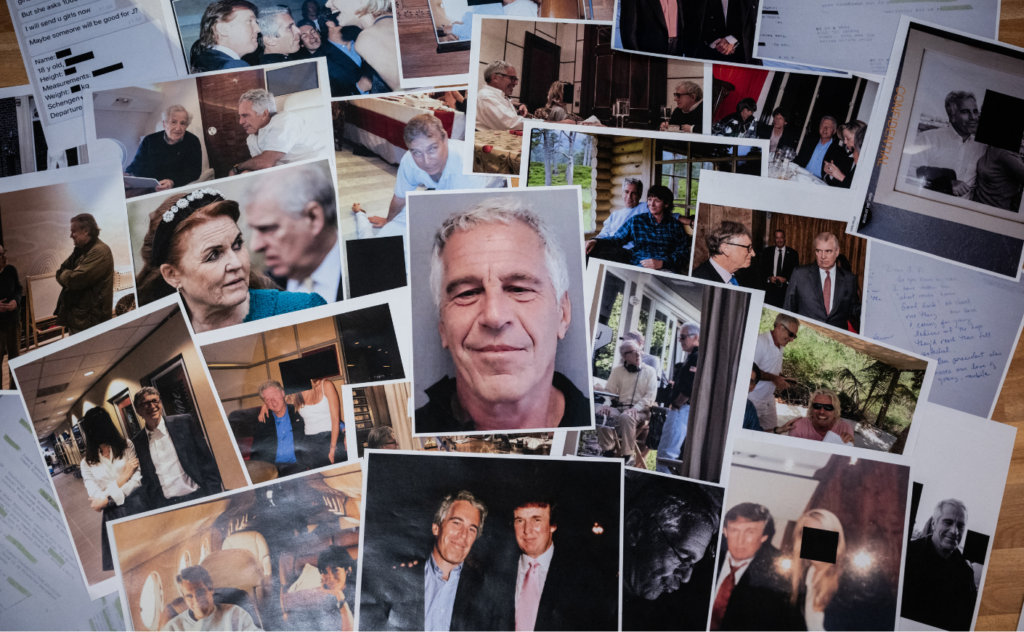
In 2017, that led him to Jeffrey Epstein, the convicted sex offender whose fat Rolodex of politicians, diplomats and policymakers allowed him to present himself to Mr. Ambani as a White House insider and guide, according to a review by The New York Times of hundreds of messages exchanged by the men over a two-year period.
“Will need ur guidance on dealing wth white house for india relationship ad defense cooperation,” Mr. Ambani wrote to Mr. Epstein soon after their online introduction, according to exchanges released this year by the Justice Department. Mr. Epstein promised to get Mr. Ambani some “inside baseball.”
The exchanges, riddled with typos and shorthand, show the global reach of Mr. Epstein and the reputation he had built among the world’s wealthiest people as a power broker able to operate in the shadowy world of back-channel diplomacy. While the line between braggadocio and influence was blurred, Mr. Epstein shared with Mr. Ambani nuggets of information on foreign policy and Trump appointments before they became widely known. Whether he just got lucky or not, his messages indicated he sought and received accurate information from unnamed people about the White House’s thinking in response to Mr. Ambani’s questions.
In March 2017, for example, Mr. Ambani asked Mr. Epstein if David Petraeus, the former director of the Central Intelligence Agency and his preferred candidate for U.S. ambassador to India, would be appointed to the role. Read More
Not long after, Mr. Epstein said he had been “told” that Mr. Petraeus was not on the “front burner.” The role went to Kenneth I. Juster, a business executive and former government official, that November.
And in July 2017, Mr. Epstein told Mr. Ambani that John R. Bolton, a longtime Republican hawk, would replace Lt. Gen. H.R. McMaster as national security adviser. General McMaster “was not long for the position” and Mr. Bolton was “next,” he wrote. Although hawkish conservatives had called for the general’s ouster that summer, Mr. Trump had defended him. But eight months after Mr. Epstein’s message, the information proved true: Mr. Bolton replaced Mr. McMaster.
Mr. Epstein also offered to introduce Mr. Ambani to individuals known for their proximity to the president, including Stephen K. Bannon and Thomas J. Barrack Jr., who served as the chairman of Mr. Trump’s inaugural committee in 2017. Mr. Epstein also suggested to the two men that they might find it useful to meet Mr. Ambani.
For his part, in India, Mr. Ambani presented himself as politically connected and a conduit to Prime Minister Narendra Modi’s government. He once wrote that “leadership” had asked for Mr. Epstein’s help in arranging meetings for him with Jared Kushner, Mr. Trump’s son-in-law, and Mr. Bannon.
Mr. Ambani did not respond to requests for comment. He has not faced any accusations of criminal or improper behavior toward women. Mr. Bannon and Mr. Barrack did not respond to requests for comment. A White House representative directed The Times to recent comments from Karoline Leavitt, the White House press secretary, reiterating Mr. Trump’s frequent denial of any wrongdoing in connection with Mr. Epstein.
Sprinkled among Mr. Epstein and Mr. Ambani’s discussions of financial arcana and political strategy, rendered in texting patois, were out-of-context references to having “dessert.” Although the digital trail supplies innuendo, it leaves few real clues about the use of the word, which was often mentioned alongside “fun.”
The messages provide a partial view into the dealings between the two men, who also spoke on the phone and used encrypted messaging platforms like Signal and Telegram, where Mr. Ambani, 66, went by the handle “Armani A.” Their conversations came years after Mr. Epstein was registered as a sex offender, having served jail time after he pleaded guilty in 2008 to a charge of soliciting prostitution from a minor.
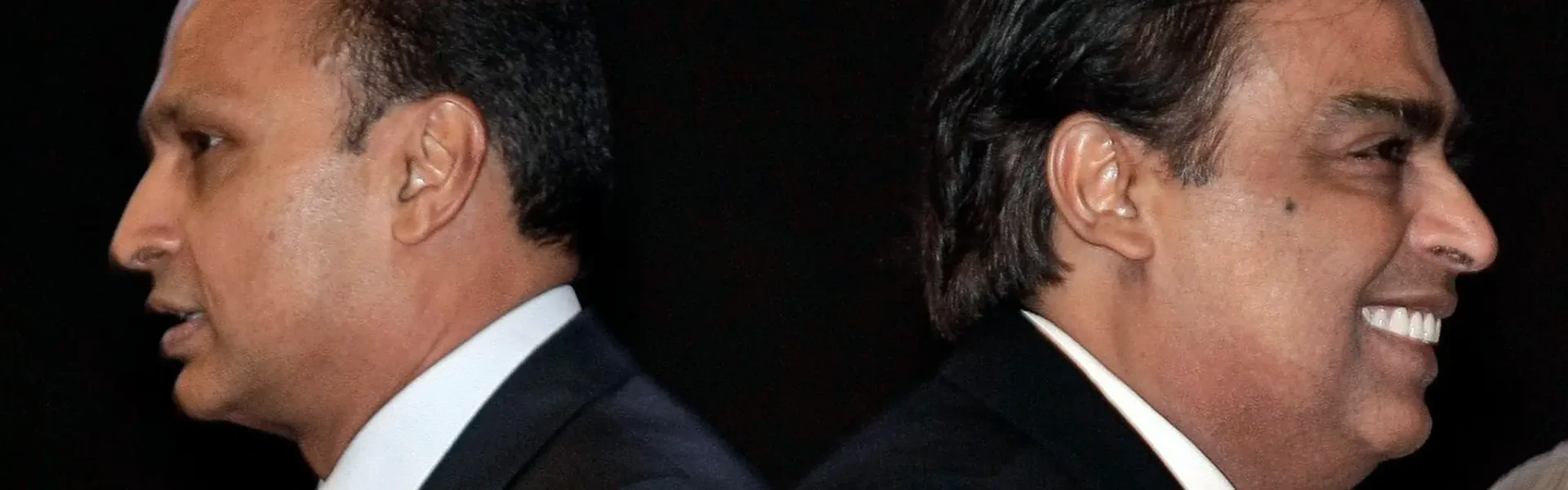
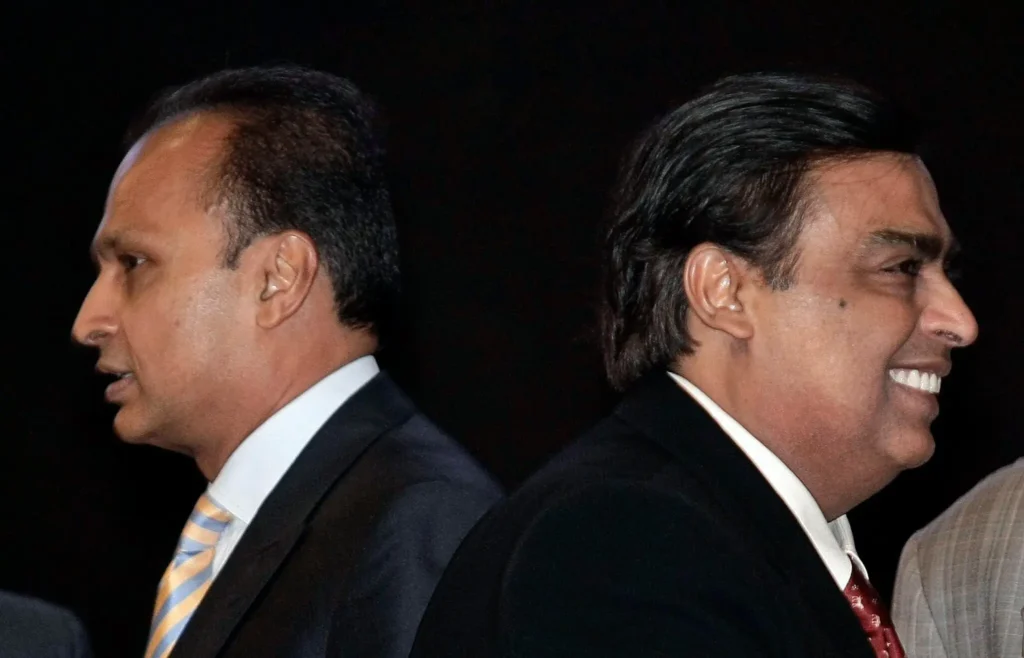
In his exchanges with Mr. Epstein, Mr. Ambani, the younger brother of Mukesh Ambani, India’s richest man, appeared to be looking to bolster his global reputation. After their father died without a clear will for the empire he founded, Reliance Industries, their mother in 2005 divvied up the businesses, which ranged from telecommunications to oil refining, between the siblings.
Financial Troubles
When Mr. Ambani asked if Mr. Epstein could help raise U.S. corporate financing, the financier suggested options like creating bankruptcy-proof vehicles, but pointed out tax implications.
The messages provide no indication that Mr. Ambani offered to pay Mr. Epstein for advice, but on April 20, 2019, Mr. Epstein wrote: “No money for me. I have enough.” Around two weeks later, Mr. Epstein received an email from a sender named Anil. “Dear Jeffrey,” it read. “Transaction done. Will come to say Hello and have coffee.”
In that interaction from early May, Mr. Epstein offered to “devote as much time as needed” on May 23, the day of India’s general election results when the two planned to meet in New York, “again, only as a friend.”
Mr. Ambani visited Mr. Epstein at his Manhattan mansion at 4:30 p.m., according to multiple emails, before Mr. Modi’s landslide electoral win was announced.
The next day, Mr. Epstein suggested to Mr. Bannon that he meet Mr. Modi, and offered to set up a meeting. Mr. Modi’s “guy” had told him that the Indian prime minister’s main challenge was China, he told Mr. Bannon, noting the two had a shared interest.