WASHINGTON Attorney General Pam Bondi released a list of 300 politicians and prominent people who were named in the Jeffrey Epstein files, as she told Congress that all of the docs that the Department of Justice was required to reveal have been made public.
Deputy Attorney General Todd Blanche and Bondi noted that privileged material is still being withheld as she outlined the list of government officials and “politically exposed” individuals who appeared in the files in a letter to the heads of the House and Senate judiciary committees.
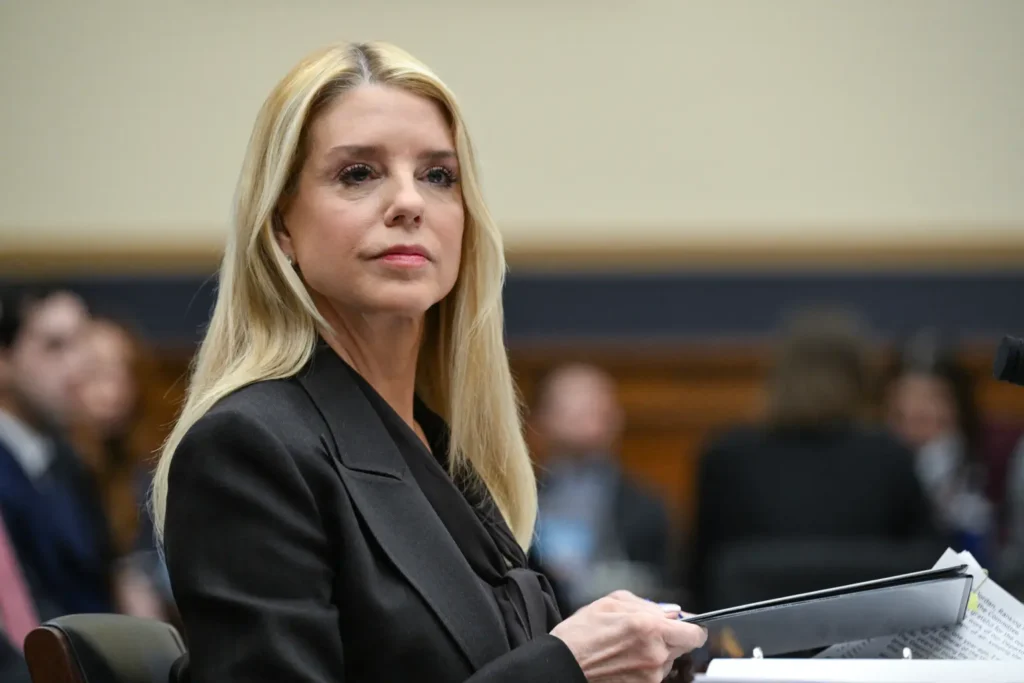
Attorney General Pam Bondi announced that “all” Epstein files have been released.
“The Department released all ‘records, documents, communications and investigative materials in the possession of the Department’ that ‘relate to’ any of nine different categories,” Bondi and Blanche wrote.
Some of the 300 names listed include President Trump, Barack and Michelle Obama, Microsoft co-founder Bill Gates, Bill Cosby, Robert De Niro, and Bill and Hillary Clinton
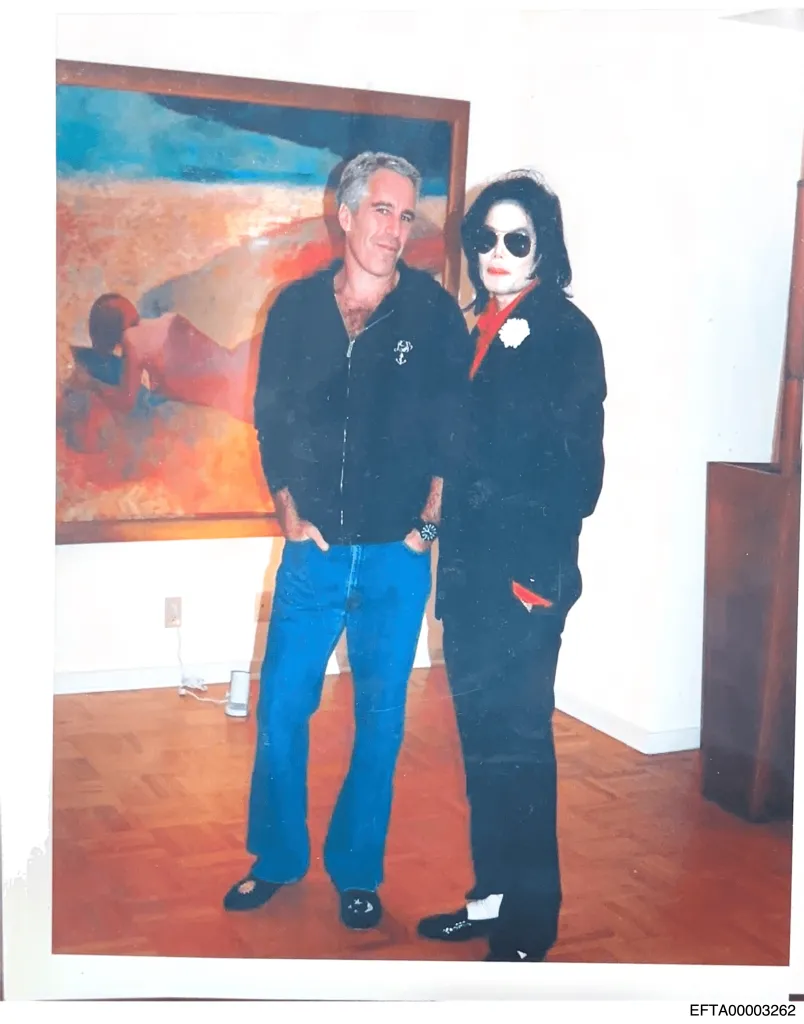
Also included are Prince Harry, Woody Allen, Kamala Harris, Mark Zuckerberg, Bruce Springsteen, Elon Musk, Pope John Paul II, Nancy Pelosi, House Minority Leader Hakeem Jeffries (D-NY), Bono, Beyonce, and more.
Inclusion in the files does not imply wrongdoing, or even direct contact with Epstein.
Several of the individuals had “extensive direct email contact” with Epstein or his madam, Ghislaine Maxwell, while others were referenced “in a portion of a document (including press reporting) that on its face is unrelated to the Epstein and Maxwell matters,” the two DOJ bosses explained.
The DOJ had been given a deadline of Dec. 19 under the Epstein Files Transparency Act to publicly divulge all files pertaining to Epstein, the late notorious sex predator.
Epstein files included details about organizations with alleged links to the financier, such as his trafficking and financial operations, as well as internal DOJ emails of feds who were investigating him and his associates.
A team of hundreds of lawyers combed through some 6 million pages of files and released over 3.5 million pages several weeks after that remarkably short deadline, per the DOJ’s figures.
Files withheld from the public include material subject to “deliberative-process privilege, work-product privilege, and attorney-client privilege,” Bondi and Blanche explained. Additionally, the DOJ made redactions of victims’ names and personally identifiable information.
Blanche previously revealed that there is a “small number of documents” on Epstein that are in limbo due to litigation and will be publicly released if a court approves.
“No records were withheld or redacted ‘on the basis of embarrassment, reputational harm, or political sensitivity, including to any government official, public figure, or foreign dignitary,’” Bondi and Blanche emphasized.
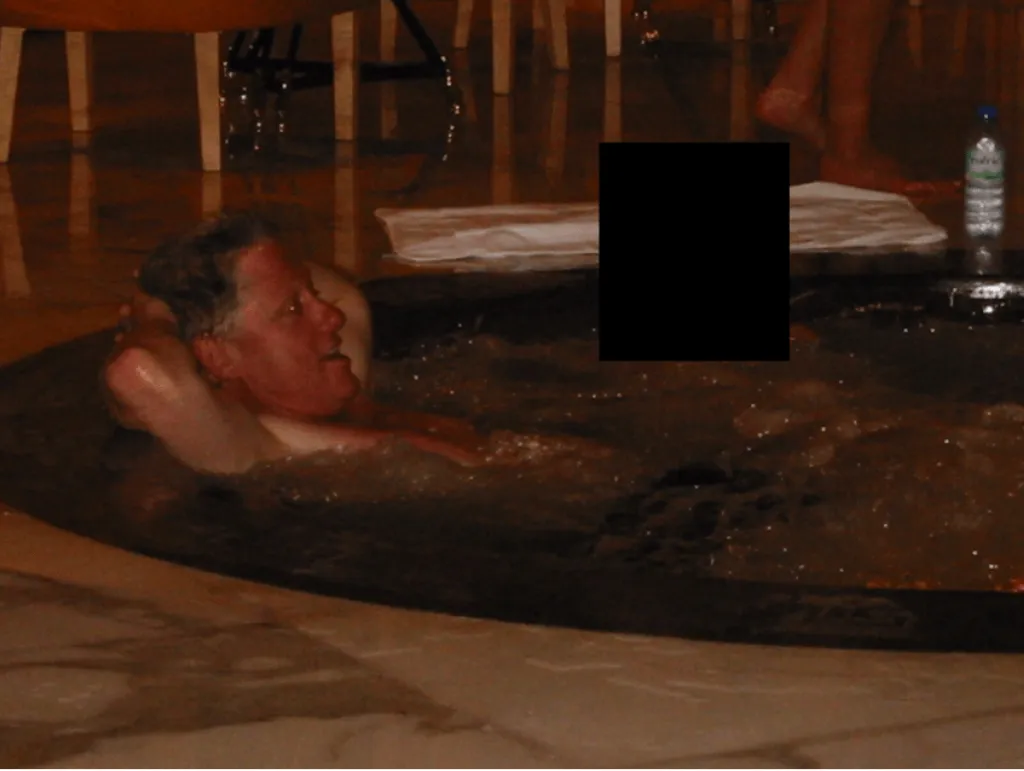
Former President Bill Clinton in a photo with a mystery woman included in the Epstein files

Some of the names mentioned had “extensive direct email contact with Epstein or Maxwell,” Bondi’s letter said.House Oversight Committee
“Any omissions from the list are unintentional and, as explained in the previous letters to Congress, a result of the volume and speed with which the Department complied with the Act,” the two added.
“Individuals whose names were redacted for law enforcement sensitive purposes are not included.”
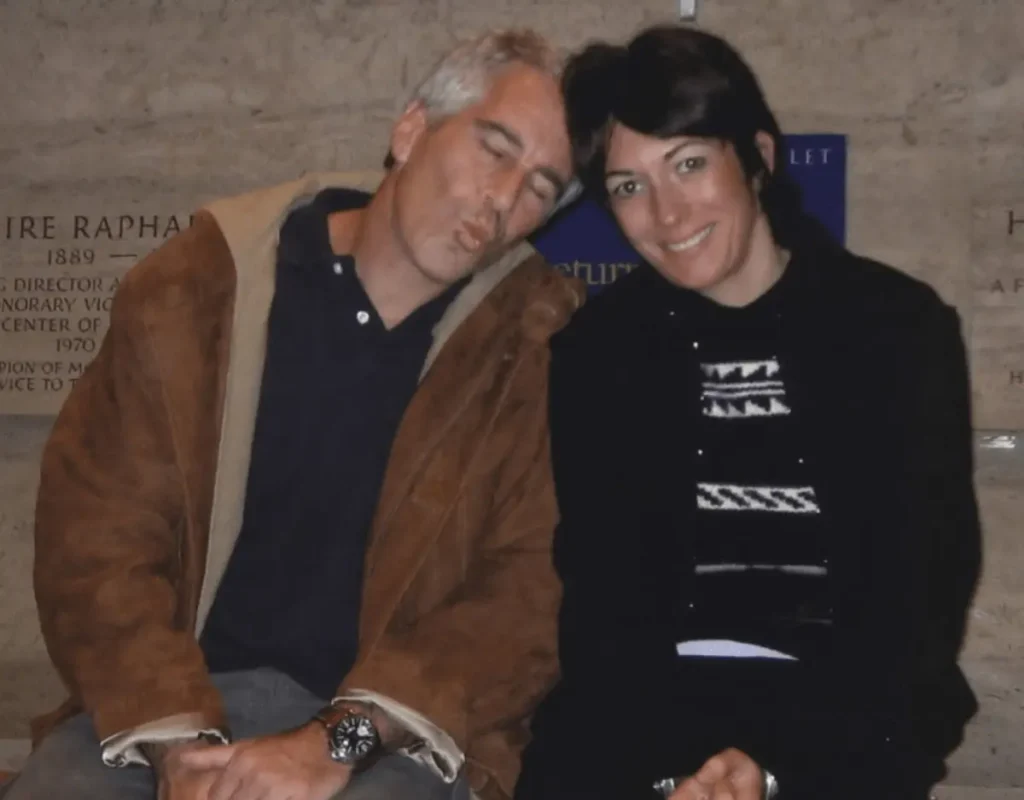
The missive was sent to Senate Judiciary Committee Chairman Chuck Grassley (R-Iowa) and ranking member Dick Durbin (D-Ill.), as well as House Judiciary Committee Chairman Jim Jordan (R-Ohio) and ranking member Jamie Raskin (D-Md.) on Saturday.
For reasons that are not entirely clear, Bondi did not sign the letter, but Blanche did, though her name was printed on top of his.
Some of the Epstein files include accusations and tips that the Department of Justice couldn’t verify or found unreliable.
Last week, Rep. Ro Khanna (D-Calif.), who co-led the Epstein Files Transparency Act with Rep. Thomas Massie (R-Ky.), went to the House floor and read the names of six men in the files. He said they were “wealthy and powerful men that the DOJ hid for no apparent reason.”
Because of the Constitution’s speech and debate clause, lawmakers are protected from certain legal claims, like defamation, when speaking in their official role.
The DOJ later revealed that four of those names were actually part of a photo lineup in the Southern District of New York and had no known connection to Epstein.
In response, the DOJ tweeted, “The problem is that you didn’t come to us first, but went straight to X and the House floor, making false accusations about four men while we were checking the facts.”
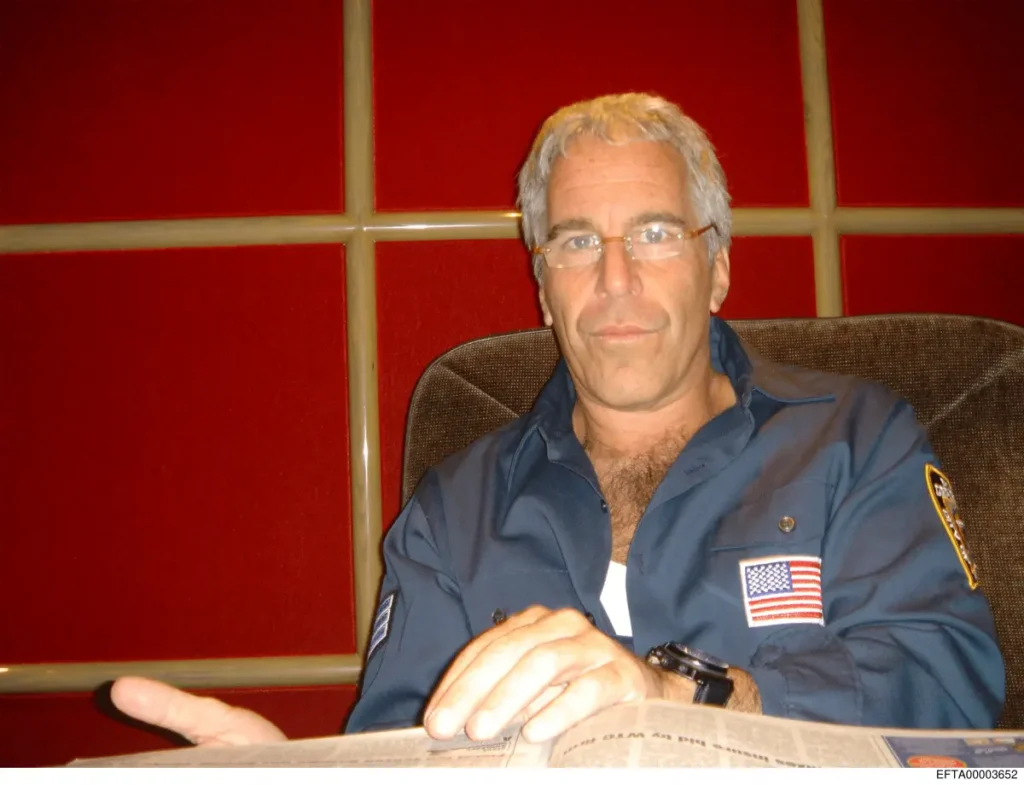
Information on organizations and networks allegedly linked to Epstein’s trafficking and financial operations was also released.
US Department of Justice/AFP via Getty Images