
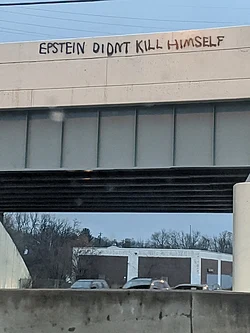
The phrase “Epstein didn’t kill himself” (EDKH) became popular to question the official story of Jeffrey Epstein’s death. Authorities said Epstein, a convicted sex offender and wealthy financier, died by suicide in his New York City jail cell in August 2019.
Epstein had connections with many powerful and wealthy people, and people hoped that during his incarceration, he might reveal the identities of other offenders. When his death was reported as suicide, many people began questioning it and started spreading conspiracy theories. They suggested his death might have been a cover-up to protect others involved.
The phrase “Epstein didn’t kill himself” became a meme and widely used online starting in November 2019, as more details about his death became public. Most people who share these theories believe Epstein was actually murdered, often by strangulation, and that those responsible were people he knew who had committed sex crimes and didn’t want to be exposed. Some theories also claim Epstein had a “black book” listing the names of powerful people he could potentially blackmail.

The phrase “Epstein didn’t kill himself” has become a widely used meme online. People often use it to accuse political figures they dislike. In far-right and Republican circles, some blame former senator and Secretary of State Hillary Clinton. In left-leaning and Democratic circles, many point to former President Donald Trump, partly because of his personal connection to Epstein. Other theories accuse both Clintons and Trump together.
You’ll see the phrase pop up in unexpected ways—sometimes at the end of social media posts, in interviews, or even at televised sports games on signs or painted on people’s bodies. It’s become a kind of shorthand for conspiracy theories about Epstein’s death.
The death of Jeffrey Epstein inside a federal detention center in Manhattan remains one of the most controversial and scrutinized events in modern American criminal history. Officially ruled a suicide, Epstein’s death in August 2019 sparked widespread public skepticism, intense media investigation, and ongoing legal debate. Given Epstein’s connections to powerful figures, his pending federal sex trafficking charges, and a series of institutional failures surrounding his incarceration, the case continues to raise profound questions about accountability, criminal justice transparency, and systemic negligence.
This article revisits the circumstances of Jeffrey Epstein’s death, examines the legal and procedural failures at the Metropolitan Correctional Center (MCC) in Manhattan, and explores why the case still resonates within the fields of law, criminal justice, and public trust. slot gacor